
Outpatient Radiology Scottsbluff Shares How a Low-Dose Lung Cancer Screening Could Save Your Life
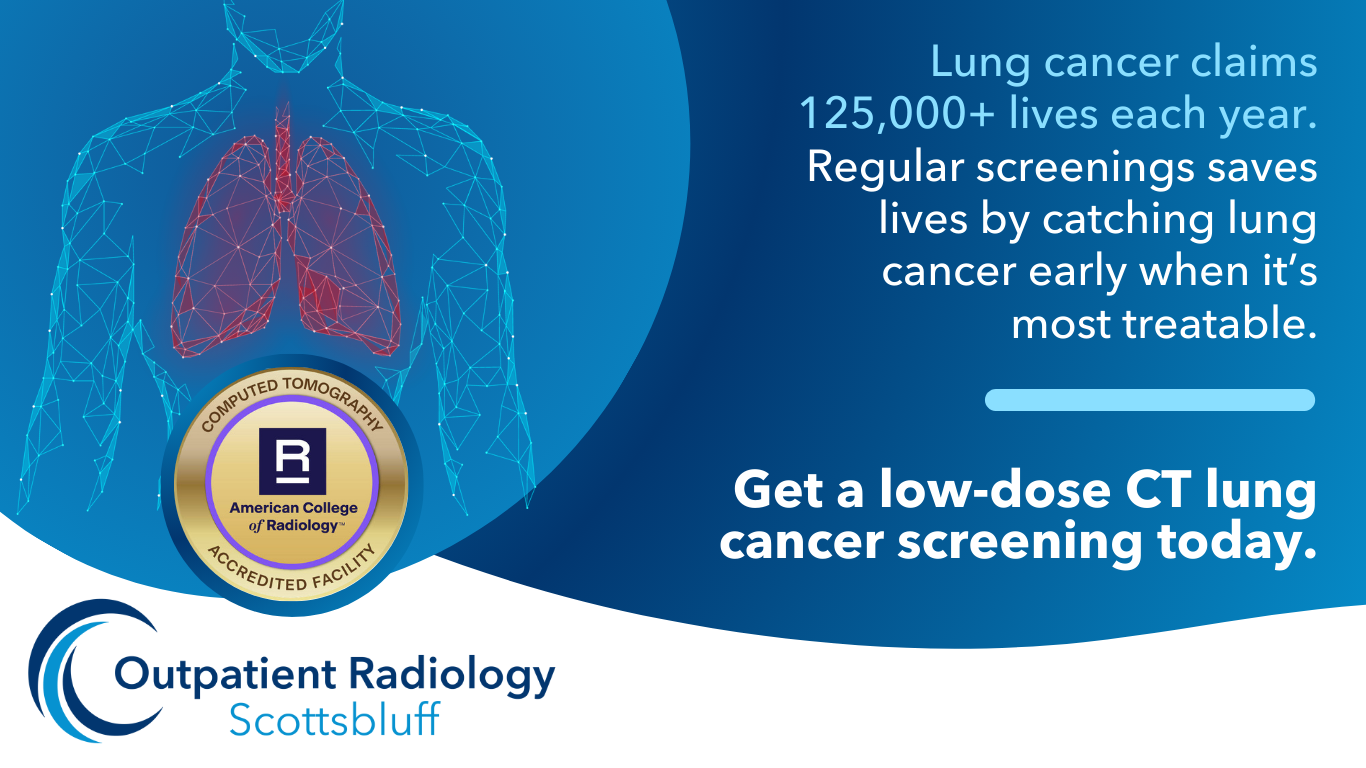
November is Lung Cancer Awareness Month and Outpatient Radiology Scottsbluff (OPR-S) shares how their facility is a key part of a patient’s lung screening journey. Their comprehensive lung cancer screening program takes a patient-centered approach, focused on early detection. Lung cancer is the leading cause of cancer death in the U.S.; however, at-risk patients can take a proactive approach to their lung health by getting low-dose CT scans.
According to the American Lung Association, “lung cancer is one of the deadliest forms of cancer and is estimated to claim the lives of over 125,070 Americans this year. Even though survival rates can be improved significantly by screening, only a small percentage of eligible individuals get screened for lung cancer.”
A low-dose CT scan uses X-ray to create detailed images of the lungs. The quick and easy scan has been proven to improve survival rates for high-risk people. People who can qualify for a low-dose CT scan for lung cancer screening include:
- People who are 50 to 80 years old.
- People who currently smoke or have quit in the last 15 years.
- People who have smoked a pack of cigarettes a day for 20 years or longer.
At OPR-S, their team uses the latest technology to provide hope for patients at risk for lung cancer. Their low-dose CT program is key to early detection, which saves lives by finding lung cancer early and when it is most treatable. Patients can begin their lung cancer screening journey with OPR-S by talking with their primary care physician to determine their risk and eligibility (a doctor’s order is required for a low-dose CT scan). The scan is done in 15 minutes or less and requires no needles, dyes, or prep. After the scan, the radiologist will review the images and send a report to the patient’s primary care physician.
Most scans come back negative, meaning no cancer was found; however, according to the American Lung Association, lung cancer can go undiagnosed for a long time because symptoms usually do not appear until the cancer has spread, which is why screening is so important. Patients with a negative scan should receive their next screening in one year.
This Lung Cancer Awareness Month, Outpatient Radiology Scottsbluff encourages patients to talk with their doctor about their risk factors and if they’re eligible for a low-dose CT scan for lung cancer. To learn more and schedule an appointment, visit https://caspermedicalimaging.net/scottsbluff/.